

We know that this refers to financial assets and that we should do it, but we often never get around to actually making the trades. To illustrate this point, I’m using an example that everyone can relate to, even those who are bald.
Wall Street likely won’t use hair to explain rebalancing, but Fidelity does use buying and maintaining a car.
Being born bald is statistically the norm (like 80%) but at some point, we grow a full head of hair. All of us received the hair card to play. It’s not how much we have, it’s how we play it(opens in new tab).
I have a lot of hair. Most people think that is a great asset to have. While it is, it also requires a lot of maintenance and hair care products(opens in new tab) that are both expensive and change often.
My social media photos capture peak yet unintentional good hair days. It’s when I’ve tried the least. The Facebook photo taken mid-October is the most recent and I have yet to replicate that hair in the last year or so. Extended high humidity, hair products no longer available and other factors made me change my entire hair strategy this summer.
To rebalance, I had layers shortened coupled with thinning techniques. To the aging adult, this sounds completely wrong and counterintuitive.
Rebalancing financial assets has the same feel. Thinning stocks when they are at all-time highs is really hard to do but in the long run, it makes the portfolio of assets more resilient and durable to changes that will occur outside your control.
Those who have returned to a bald state, have already experienced the loss of their hair portfolio and have discovered other methods to maintain a balance of assets, hats, caps, beards and greatly reduced hair care costs. They have endured the rebalancing process and the time required to upkeep is now relatively short and painless.
For those of us still fighting the process, it will take us time to realize the mental hurdle and actually convert stocks to bonds or other assets. The 60/40 portfolio is dead (60% public stocks and 40% fixed income) as declared by BlackRock earlier this year. This dynamic could only be temporary and at some point, rise again.
Asset allocations are based on risk levels. Are you willing to trade higher risk for higher returns? When younger, yes but as we get older, we have less time to make the loss up and may need or want the cash proceeds before the stocks recover.
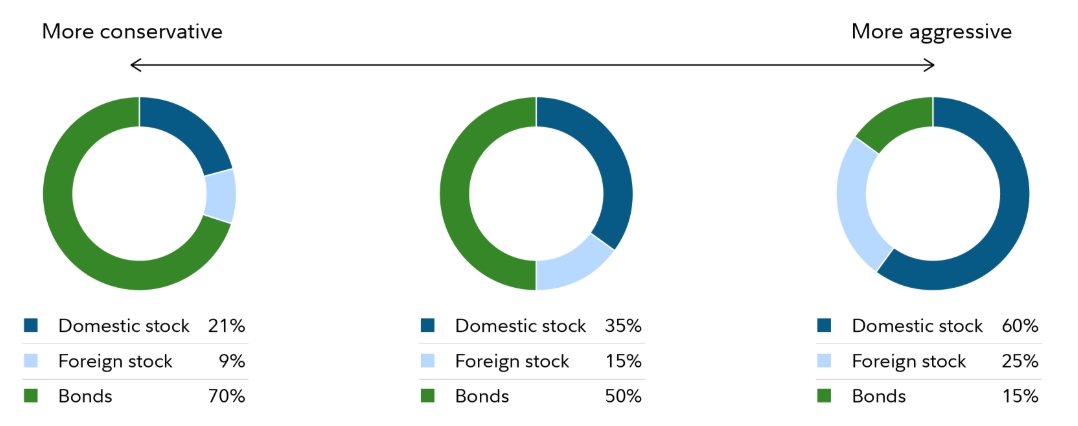
Although Fidelity doesn’t include cash as part of their asset allocation in this chart, it is shown in their models. It appears more individual investors are opting for cash in rebalancing, myself included since the high-yield savings account rates aren’t much different than the bond yields. Why tie up cash in a bond when you can have access to the funds for relatively the same rate of return?
That is changing. Bond yields are rising as “investors are demanding more compensation for the risk of holding long-term bonds given persistent inflation and high debt levels.”
The rebalancing process is less about keeping a strict asset allocation (always styling our hair the same way or getting the same haircut) and more about understanding the tradeoffs and implementing a better strategy that will make our (hair) portfolio more resilient and durable to future impacts beyond our control.
Rebalancing your investments | Fidelity(opens in new tab)
Let’s Talk About Cash… – The Big Picture(opens in new tab)
Why Bond Yields Are Rising—and Might Keep Heading Higher | Morningstar(opens in new tab)