
A new genre of music has emerged, and it may already be on your playlist without you even knowing it. It’s descriptively more of a subgenre that meshes within your favorite music.
Since I started this website on things you should know, music has been a source of significant allegories. From the opportunity cost(opens in new tab) of not using the algorithm for discovering new music to the saga of separating my own Apple ID(opens in new tab) from my husband’s, I can’t emphasize enough the importance of paying attention(opens in new tab).
As I have been rebuilding my playlists on YouTube Music after canceling Apple Music, I’ve let the algorithm take over introducing me to artists I never heard of listening to more tracks rather than skipping over them. Apple Music (and apparently Spotify) have inferior algorithms that are more confined to repetitive genre constraints. I’m not the only one who thinks YouTube Music has a superior algorithm but maybe it’s my age demographic.
This week I was listening via headphones to new songs the algorithm had served me and one stopped me as I was unloading the dishwasher. I had to walk over to the kitchen island where my phone was and look at what was playing. And I was disappointingly intrigued. While the song sounded fairly good, I immediately knew it was AI-generated by the so-called Album cover, song title and artist showing on the screen.
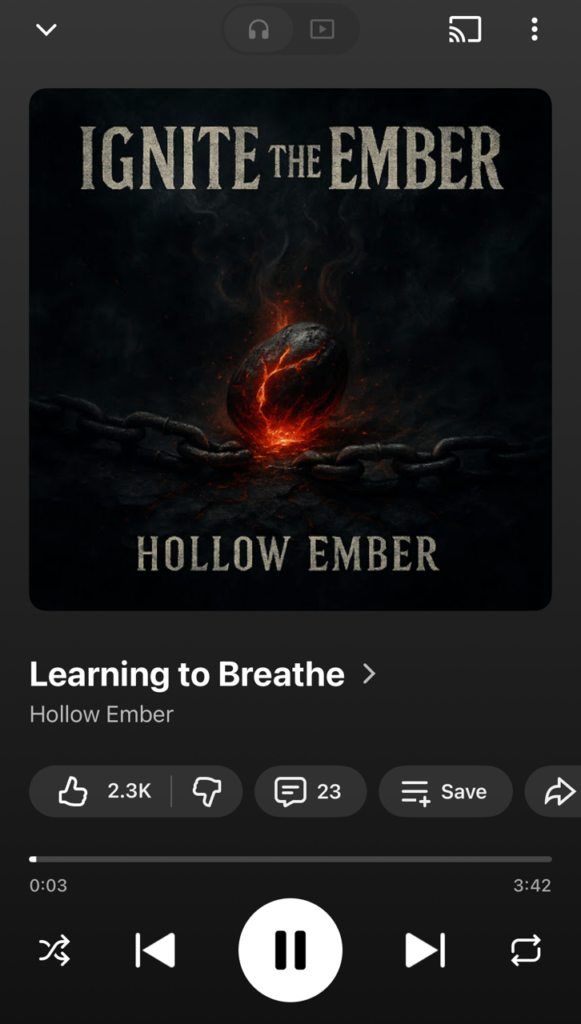
But I still listened to the full song because I wanted to know what AI music sounded like and how to be better at identifying it, not just by the Album cover. The only problem is the algorithm learns this and feeds you more generic and caricature AI-generated songs.
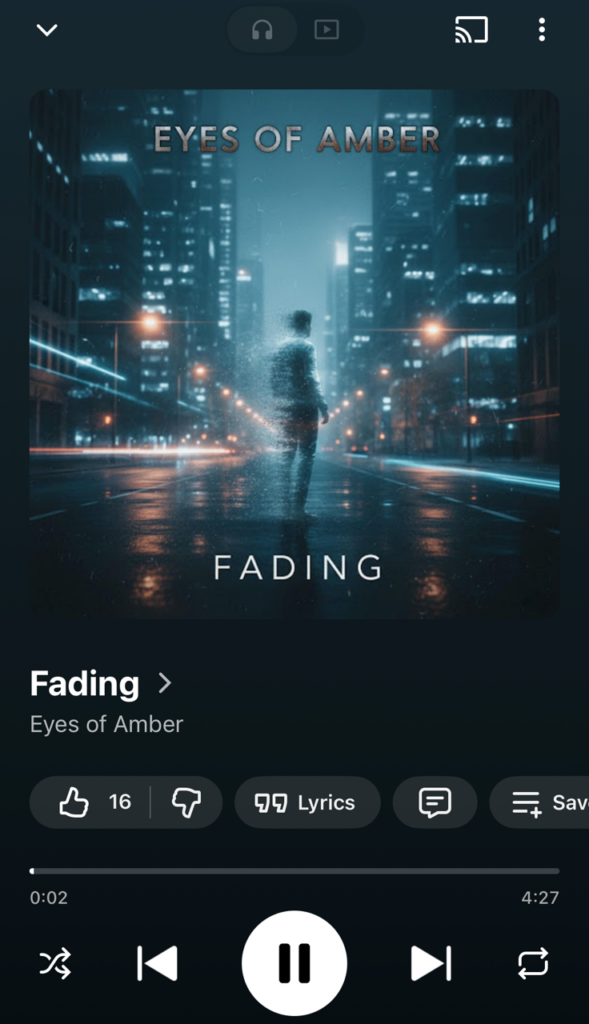
AI songs now infiltrate the streaming music platforms, and most people can’t tell the difference. I thought I was pretty good at flagging these songs that sound technically competent but overly formulaic, rigidly structured to a generic verse and chorus. What I called meshing; the internet calls the “blender” effect. Songs sound like a mashup of popular hits tossed into a blender mixing the best elements of previous genres into a neat little package but lacking a unique identity.
In other words, they lack depth, real human emotion and soul.
To give you music that has depth and soul, try “Bohemian Rhapsody” by Queen and “The Sound of Silence” remake by Disturbed. Across streaming platforms, these songs have billions of plays. The soulful piano in “Zzyzx Road(opens in new tab)” is unparalleled to me because you can feel the emotion. So often, piano music can be technically competent but lack the emotional connection.
And yet, while I was panning through my newly minted playlists, I found this.

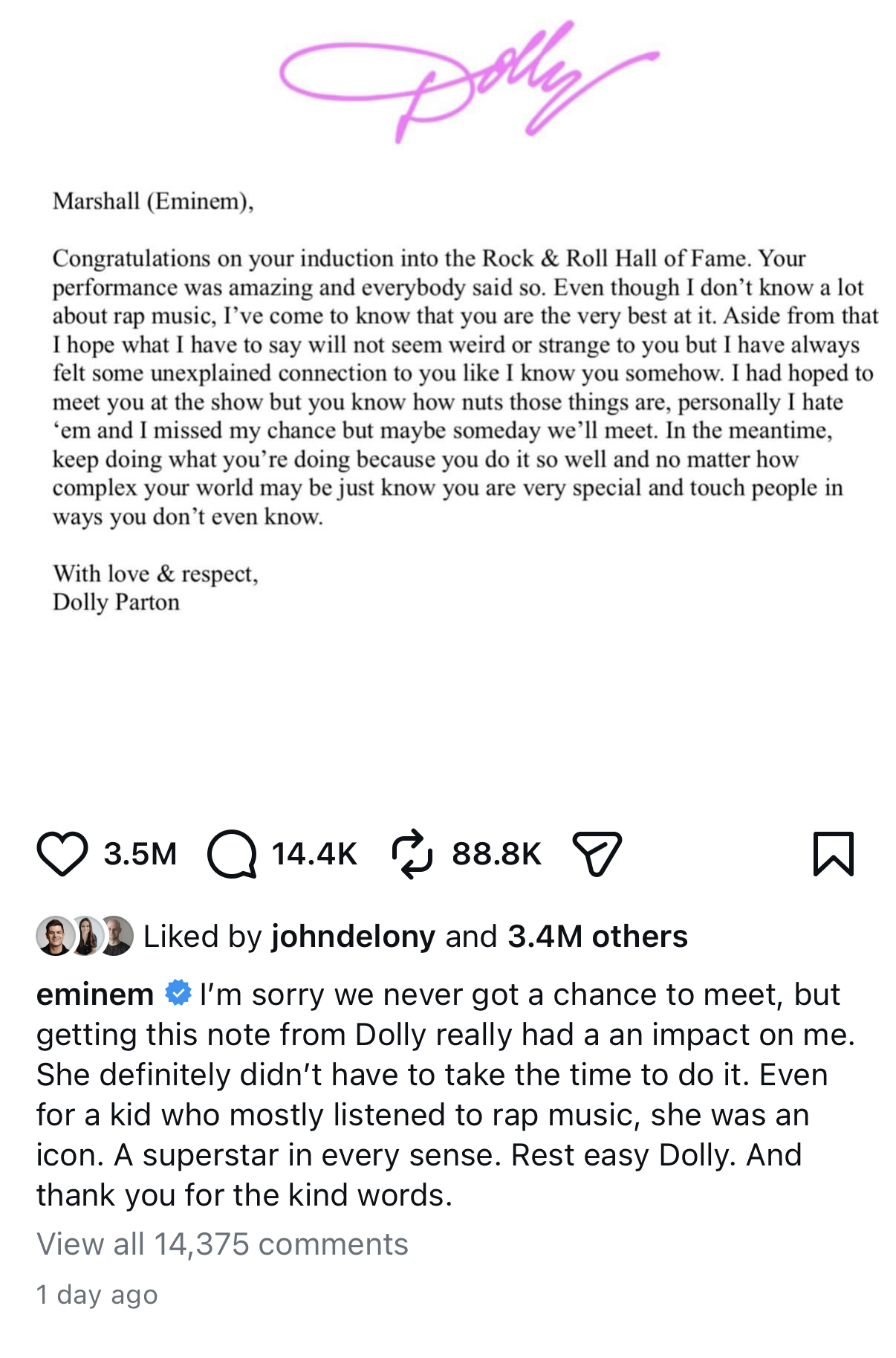
Cody Ray is a real person who uses AI to digitally enhance his music and persona. This is where people will falter, including myself, and mistake it for entirely real.
Real music, however, will offend someone in some way, the name, the sound, the lyrics, the inferences, the Album cover. It can’t appeal to everyone no matter how hard you try. That is what a lot of AI “artists” are attempting to do. The emphasis is to please as many people as possible instead of emulating your own signature style. I thought about opening this piece with “Welcome to the Jungle” but then realized it was by Guns N’ Roses. You would think they’d have fallen out of favor, and yet, on Spotify alone that dominates (73%) the 18 – 34 age demographic, they have almost 14 billion total streams across numerous songs.
I could have categorized this into Technology but music is so much more about connection. It can transport us to another time or place with significant people and events. Real music evokes autobiographical memory. Certain songs affect us more strongly. Yet, they aren’t always the songs we consider objectively important or even particularly good.
They’re simply attached to something.
The song “Bohemian Rhapsody” takes me back to high school when I may not have been in the coolest of extracurricular activities but certainly beneficial. I was part of large-group speaking because one of my friends was also. Our group wanted to write a choral reading based on “Bohemian Rhapsody.” I don’t recall exactly how we did it but the speech coach, fresh out of college and one of my brother’s friends, understood and agreed to let us do it. He got the connection. It was the most fun, hilarious one we ever did that brought us high acclaim at the state contest.
It also evokes one of my most embarrassing memories where I had memorized an individual speech and something in the audience threw me off. I completely lost my train of thought standing frozen in time before I eventually got back on track. I never memorized a speech after that and was grateful it was in high school rather than to the senior executives at the Fortune 500 companies I worked for.
Jason Aldean released “Whiskey Me Away” in late 2021. I remember listening to it and liking it for Country which wasn’t particularly high on my listening list. For some reason, I played it on repeat a lot. Through the most complicated house buying and selling we’ve ever done in January 2022. Through packing up Los Angeles and moving to Chicago in the coldest, snowiest months of that year. While on the flight to visit my Parents in March and on the drive back to plan my Dad’s funeral one month later. Then again on the drive to my Uncle’s funeral another month later who I had shared birthdays with growing up in the same, small Iowa town. Then some more, driving my husband to and from work after his rotator cuff surgery in July. Given the context, I understand why.
Music is an extraordinary feature of being human, both as an individual and as a member of a group. It connects us and conveys feeling when words fail. Real music delivers an experience(opens in new tab), an essence that AI music will never capture.
Billboard Will Now Identify AI-Generated Music in Charts – EDM(opens in new tab)
Why Does Music Trigger Memories So Quickly? – Beats Unbound(opens in new tab)
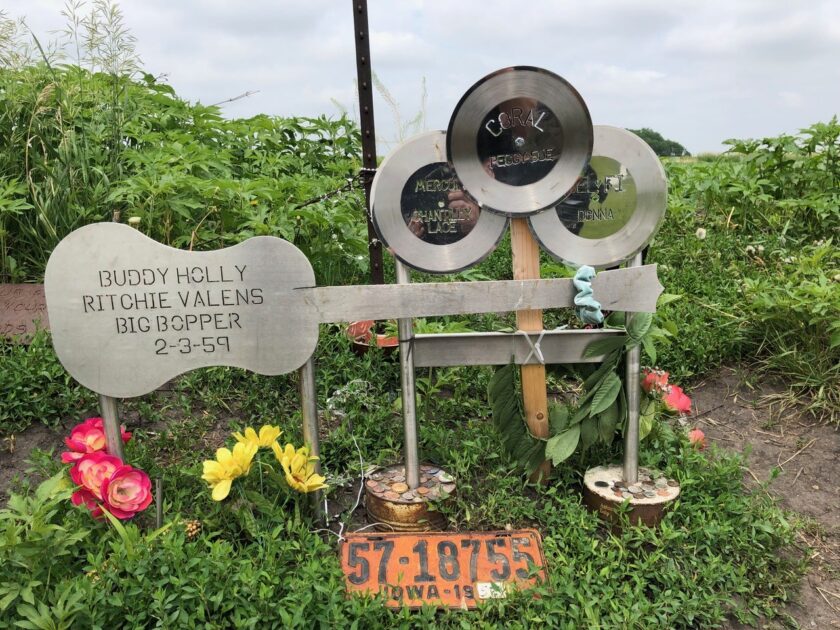
Featured Image – Buddy Holly plane crash site Clear Lake, IA nicknamed “The Day the Music Died,” by Don McLean in his 1971 song “American Pie”. Photographer CN Wauters.