

We’ve learned to hold onto to our investments through the roller coaster ride of volatility so we don’t lose our grip on the momentum we eventually will experience because it is far harder to reenter the market ride without that momentum.
But sometimes we do need to let go and not reenter. That would be me on a literal roller coaster because the feeling of losing it far outweighs any enjoyment derived.
When to sell stock is a difficult decision and becomes even more so when it is your company stock. Not only are you invested in the stock, but you are also invested in the company and the collective environment of doing business together. Selling almost feels like betrayal.
Back in 2017, I knew we had to start selling stock (options) because there were expiration deadlines, a fact unbeknownst to us the first time they were received (early 2000’s) and we lost out. We didn’t let go and paid the price. This time there was far more at stake. The reason I knew we had to start selling, the price.
It was up around 280% from the original grant price. I wrote about my experience with E*Trade and the respect they showed me. This outclassed the thoughts of will it go even higher or that you’re selling out. Even though I eventually set ask prices, we really didn’t have a selling strategy.
The last set were expiring early 2022. I should’ve set ask prices or at the very least periodically checked the stock price late 2021. Instead, I was so focused on the change of environment that I wanted more. The cost of not paying attention was just shy of six figures.
I could’ve dwelt on that loss but that only clouds judgment and attention for future opportunities. The capital gain on the sale of our house in California far exceeded that loss. The price of letting go is like a pendulum, it swings both ways.
Holding too much stock in one company isn’t a reflection of loyalty or even unyielding optimism, it’s a concentration risk. A risk that can undermine the financial stability we seek. There are other valid reasons of when to sell a stock. The company’s business outlook has changed, or you realize the company isn’t what it was made out to be. Or you may just need the money or the loss to offset other capital gains for your taxes.
The price of letting go shows up elsewhere in our life. We hold onto things that no longer serve us well or return value, old habits (die hard), material possessions that turn to clutter, past mistakes, relationships that ended and the need to control outcomes.
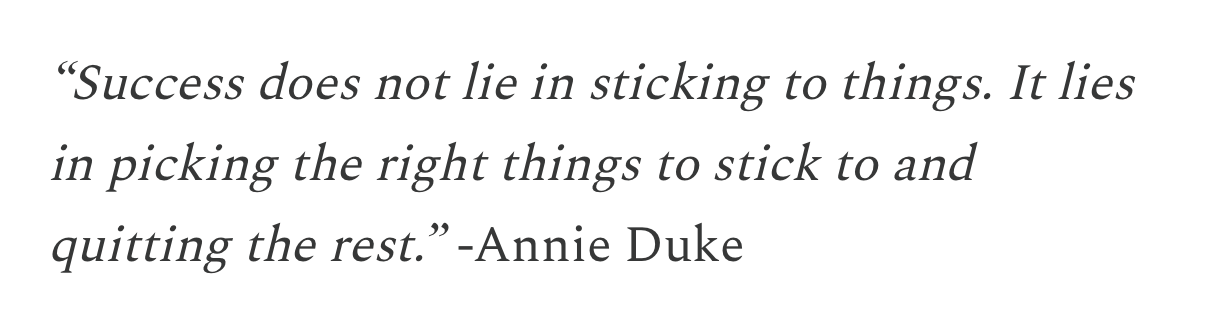
What I’m reading now, Thinking in Bets: Making Smarter Decisions When You Don’t Have All the Facts by Annie Duke. We will never have all of the facts before selling a stock and even when we think we do, hindsight becomes our greatest teacher.
Feature Image – The night of what should’ve been a significant birthday. It’s not what I expected but finding this picture is exactly what I want to be investing in more (sunrises and sunsets) during this decade.
The Hidden Cost of Holding Company Stock
Should I Sell or Hold My RSUs? Key Factors to Consider.
How To Know When To Sell A Stock For A Profit — Or A Loss | Bankrate