
Time isn’t conventionally considered an investment. It is available to everyone in equal amounts. We have an awareness of wasting time and the mindless distractions we now partake in. We spend time with our family and friends hoping to create memories that carry future value. Yet, many of us end up treating time like our most fungible asset.
How we account for our time is often misunderstood or avoided. We don’t track it like a stock or other investment. The underlying assumption is that there will always be more of it tomorrow regardless of what we do today. However, having that mindset or the one of cramming as much as we can into our days is equally inferior. It’s the equivalent of blissfully ignorant or idle busyness.
Time, in its essence, should be considered a treasured possession that we use wisely on the things that truly matter. We all have it, in the same minutes, hours, days, months and years as everyone else. Yet some, unfortunately, have it taken away from them far sooner than the rest of us.
Instead of thinking of time as some abstract, intangible, fungible asset in replenishing quantities, we should view it more like an intentional allocation of our hours, energy and attention to ways that might provide a return or higher yield in the future. It differs from spending time which largely provides an immediate, but fleeting, benefit.
Investing in time can be paralleled to investing in a financial portfolio, by taking a diversified approach over the long-term. Short-term bursts of invested time won’t produce the compounding results that will benefit us the most with long-term growth.
To invest in time, we need to think about what we do differently and assess how our time is being consumed. By starting with ourselves, it puts most of the control within our realm. It’s our best investment.
Invest in “foundation-building” time. As Stephen Covey put it in the 7 Habits of Highly Effective People, the real area of personal growth happens in non-urgent and important activity. It’s building relationships, identifying opportunities, planning, prioritization and prevention, not the constant firefighting like day trading. It’s being strategic with what you want out of life and if you don’t know, finding out. It’s not the tactical approach of trying or doing so many things that you never learn anything from them. Or endlessly procrastinating that you never try something new.
It’s investing in “life-extending” time for self-improvement and caring for your health proactively. It’s taking the time, setting it and building systems to ensure you are effectively using that time for the most benefit to you. It’s experimenting, figuring out what improves your health the most. The key word here is your, not someone else’s.
That “system-creating” time can also be invested to streamline repetitive tasks like bill-paying, automatic investment contributions and managing e-mail. Or outsourcing tasks that you don’t want to spend time on to someone who has the expertise and equipment to get it done more efficiently.
The investment in “do-nothing” time is hard for many of us, including myself. Americans could use more of “La Dolce Far Niente,” or “the sweetness of doing nothing,” something Italians as well as many other cultures have mastered. It represents the art of idling or pleasant relaxation without the guilt, focusing on enjoying the present moment rather than appearing lazy. Often times, this savoring of simple pleasures like watching ocean waves at sunset or enjoying a coffee or drink is best done with another person.
Segueing into that investing our time wisely isn’t only about ourselves. It’s also about the relationships we cultivate both personally and professionally. It’s investing in the “cushion” time to respect someone else’s time by not only by being on time but also in preparing for the time you spend with them and giving them your full, undivided attention.
It’s building and investing in that “savoring time” that is paradoxically harder to enjoy as we become more affluent and dopamine driven. If you recall, I’m in investing in the “Sunrise Index” for how many sunrises I can capture in 2026. I’ve been adding in sunsets instead of just letting them pass by unnoticed. Having access to the best things in life may actually undermine our ability to reap enjoyment from life’s small pleasures most often with the people who matter most.
By investing in these different types of time, it becomes diversified instead of putting all your time into just one area of life. Be intentional with time, not just busy. Focus on what aligns with fulfilling your goals, not just on filling your schedule. Eliminate or delegate tasks that offer you little to no long-term return.
Just like investing, start early and be consistent. The earlier you begin investing your time, the more you can take advantage of the compounding effects. Track your progress just like you do with your financial investing. Consider what is working and what isn’t and where your time may be exposed to too much chance. Then adjust your strategies accordingly.
Regard time as an invaluable asset that can yield extraordinary returns when invested thoughtfully.
“The key is not spending time but investing it.” Stephen R. Covey
A lot of ads, but a rare source of a worthwhile perspective.
The 7 Best Ways to Invest Your Time | The Muse | The Muse
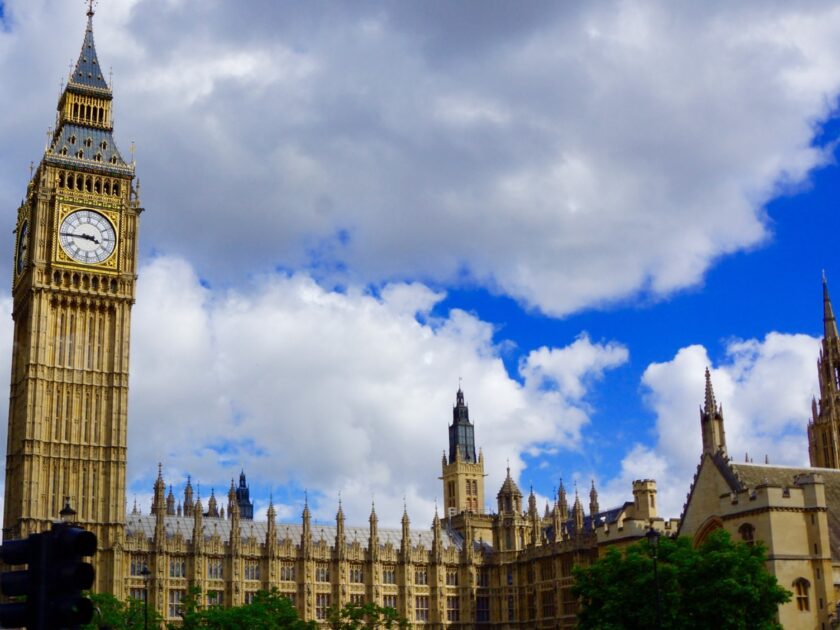
Feature Image – Big Ben, London. Photographer C.N. Wauters.