
Who knew that a thumbs up in digital communication could cost you actual money? Or that an upward trending stock chart or rocket ship could be financial advice?
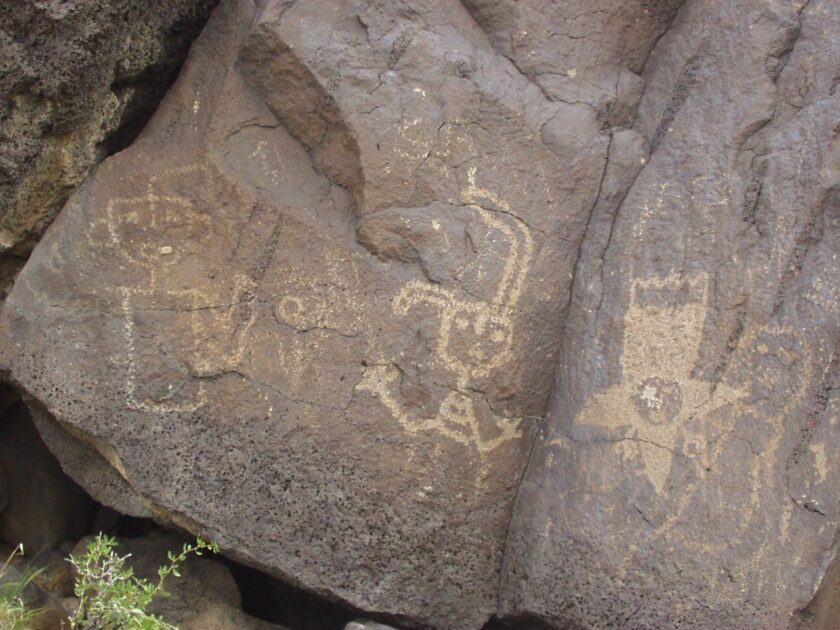
These digital icons, originating from Japan in the 1990’s, combine an e (picture) and moji (character) to form an emoji. Communicating via pictures or characters isn’t new. Petroglyphs date back 40,000 to 50,000 years ago and hieroglyphics were developed by the ancient Egyptians as a form of communication around 3100 B.C.
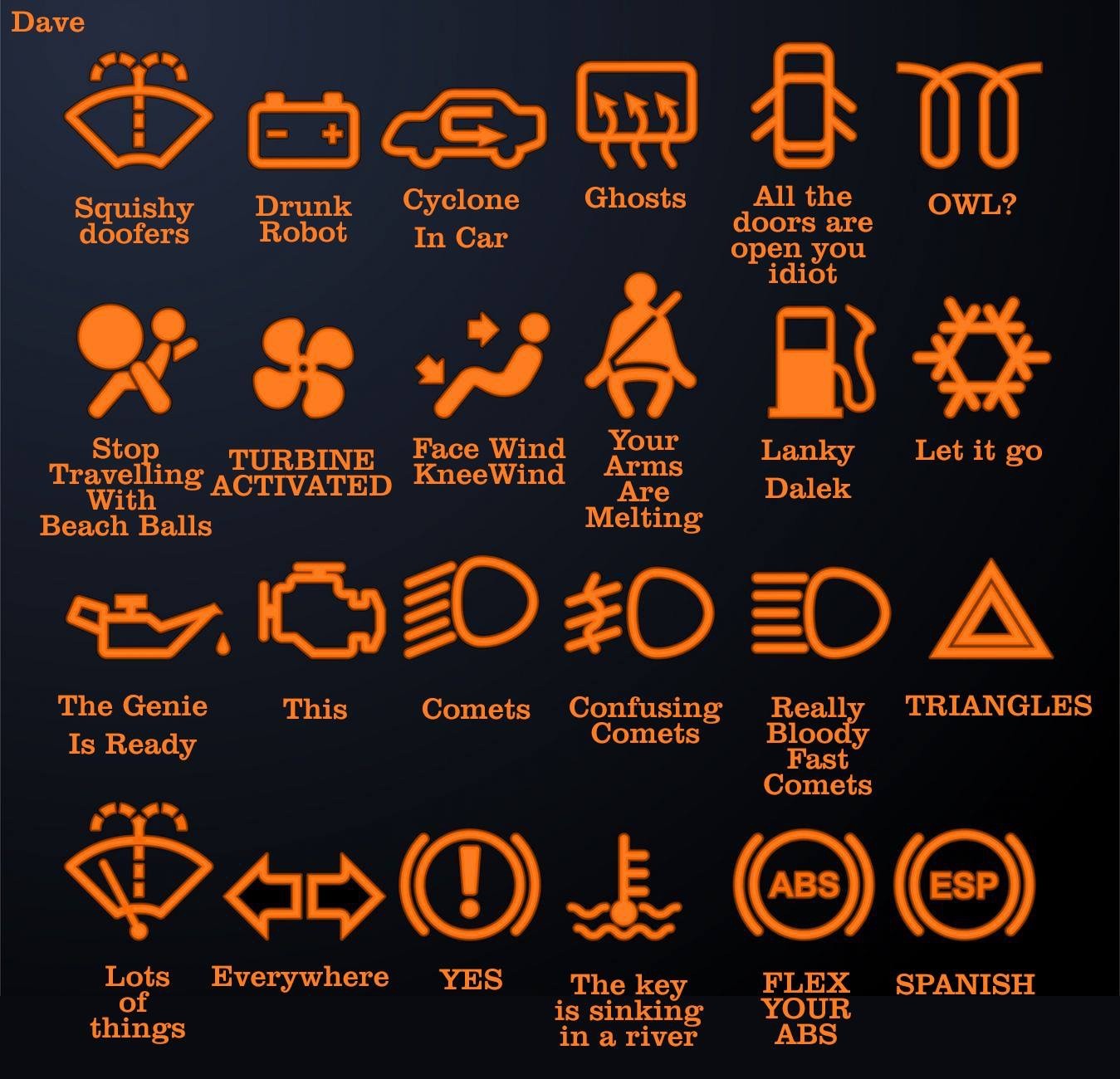
We have a hard enough time interpreting our car dashboard symbols. Back in the mid-1930s, the Hudson Car Company replaced analog gauges with warning lights called “idiot lights” because they only illuminated after a fault had already occurred without warning. In the 1980s-1990s, the “idiot lights” were phased into warning symbols.
Some guy named Dave came up with what we really think our car symbols mean.
The intent of the emoji is to add emotional nuance to otherwise flat text. We remember the early versions of :-), one that I used at work back in the 1990’s. I wrote that it was long before emojis when in fact it was the beginning of them.
Emojis have significantly evolved and expanded over the years. So much so that legal proceedings are now warranted to rule on the interpretations of their use. Someone from Achter Land sent a thumbs-up👍emoji in response to a text sent from South West Terminal containing photos of a proposed $58,000 contract to purchase flax from Achter Land. South West Terminal assumed the emoji signified that Achter Land had accepted the contract.
Achter Land never delivered the flax and argued they hadn’t formally accepted the contract. South West Terminal sued them for breach of contract and was awarded $82,200 in damages.
A New York federal judge also ruled that the use of rocket ships 🚀, positive stock charts 📈and money bag💰emojis in certain situations (promoting NFTs on Twitter) were construed as giving financial advice. Even though the word “profit” was never used in the Tweets, according to the judge these emojis objectively meant one thing: “a financial return on investment.”
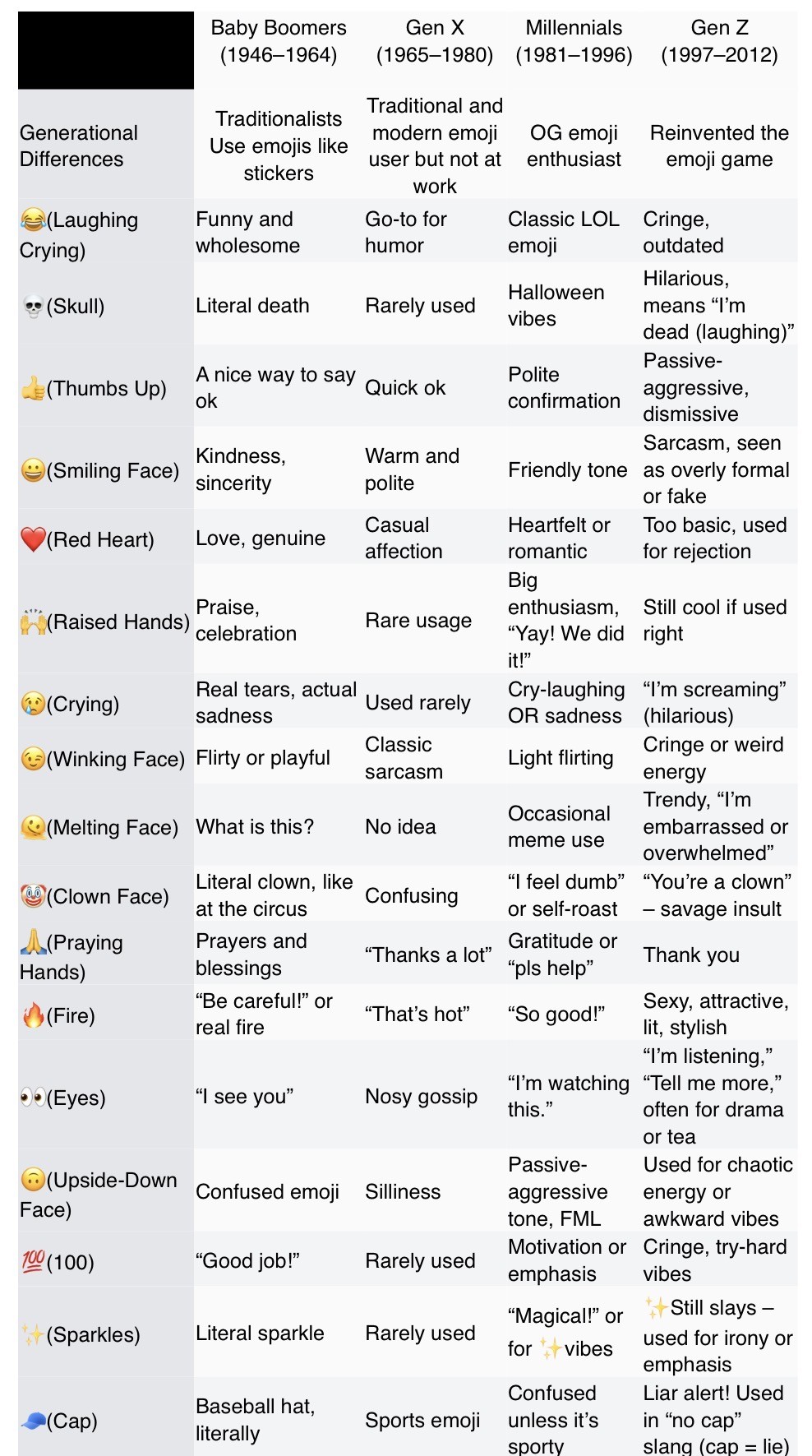
As technology evolves, the element of uncertainty grows when interpreting emojis. The most important thing that you need to know is that they are highly contextual, subjective and generational.
I found this Emoji Guide and even I was in the dark of what they mean across generations being a solid Gen Xer. My Mom, who is of the Silent Generation, occasionally surprises us with an inadvertent emoji in our family group chat when she taps the emoji keyboard. We find it funny, but she catches on more than we realize because we use them frequently.
UPrinting
There are thousands of emojis. If you don’t know what a particular one means across the age spans, feel no shame in looking it up. If someone sends an inappropriate one to you intentionally or unintentionally, you control how you interpret it and how you respond. Just know that most of us are doing the best we can with the tools and knowledge we have right now.
And by all means if there is money mentioned, don’t respond with a 👍.
Featured Image – Petroglyph National Monument, Albuquerque, NM. Photographer C.N. Wauters.
Emoji Creates Binding Contract | Toronto Business Lawyers
Emojis can count as financial advice, says judge • The Register